

The Ghost Returns
The first thing he noticed was the silence.
Not the silence of an empty harbour. Sydney had never been a quiet place. Even in the deepest hours of night there was always a murmur - the distant pulse of traffic, the whisper of footsteps along the water, the restless heartbeat of a city that refused to sleep.
But this was different.
This was the silence that comes when the voices have gone.
The fog drifted across the harbour, thick and silver, softening the lights of Circular Quay until the city seemed like a memory of itself. The towers stood above the water, shining and new, but beneath them lay another Sydney - a city of timber, stone, sweat and dreams.
A city built by hands that had long since disappeared.
Then, through the mist, came the sound of wood against water.
Slowly, impossibly, a ship emerged.
It belonged to another age.
Its timbers were dark with salt. Its sails hung loose. It moved without wind, without sound, as if the harbour itself had remembered something buried deep beneath the waves.
A figure stepped ashore. A man. His clothes belonged to another century. His face was lined by hardship. His hands told the story before he spoke .... hands that had lifted, dug, built and endured.
Hands that had worked until they ached. And then worked again.
There were no chains around his ankles this time. The iron had rusted away long ago. But he still remembered their weight.

He looked across the harbour. The bridge. The Opera House. The towers of glass and steel reaching toward the sky.
For a long moment, he simply stared.
Then he whispered:
“We never imagined this.”
Perhaps he had come on the First Fleet.
Perhaps the Second.
Perhaps he fathered one of the free settlers who followed, carrying little more than hope and determination.
The details no longer mattered.
He belonged to that generation of people who arrived with almost nothing and were expected to create something from it.
And they did.
They cut tracks through bush that seemed endless. They built homes where there had been wilderness. They fought drought, flood and loneliness. They buried children.
They buried friends. They kept going. Not because they were perfect. They were not. They were ordinary people. Flawed people. People who made mistakes, learned, changed and tried again.
They built a future they would never fully see.
A future for their children.
The ghost walked through the city.
And everywhere he looked, he saw two Australias.
The modern city stood before him ... apparently bright, busy and confident. Yet strangely foreign.
And beneath it, he saw the older country.
Where there were now smooth roads with holes and neglect, he saw the dirt tracks carved by exhausted hands. Where there were suburbs, he saw farms scratched out of unforgiving land.
Where there were buildings, he saw men and women who had stood in the rain and heat, wondering if their efforts would ever amount to anything.
He heard their voices again.
The old kitchen-table stories. The campfire yarns.The tales of drought and flood. The neighbour who arrived with a strong back and a kind heart because someone needed help. The families who had little but shared what they had.
The stories of convict ships and second chances. Of ticket-of-leave men who became farmers, fathers and citizens.
Stories of people who had not inherited an easy life. They had built one.
But as he wandered, he noticed something strange.
The stories were still there.
But they had become quieter. More cautious. Almost apologetic. He searched for his people's place in the telling of the nation.
He found some.
But he also found a growing uncertainty.
A feeling that the ordinary struggles of his descendants had become less important. That their sacrifices were now viewed through a different lens.
That the people who had endured hardship, paid their taxes, followed the rules and built communities were somehow expected to explain why they belonged.
The ghost did not understand.
He had never believed his people were without fault.
No nation was. No people were.
But he wondered:
Could a country remember one story without erasing another? Could it honour the past without deciding some parts of it were too uncomfortable to keep?
Later, as dawn approached, he saw a man sitting near the harbour.
An ordinary man.
Older. Quiet. Looking at an old photograph. The ghost moved closer.
There was something familiar.
A face. A resemblance. A connection. His descendant.
The man looked down at the photograph and spoke softly.
“They weren’t perfect.”
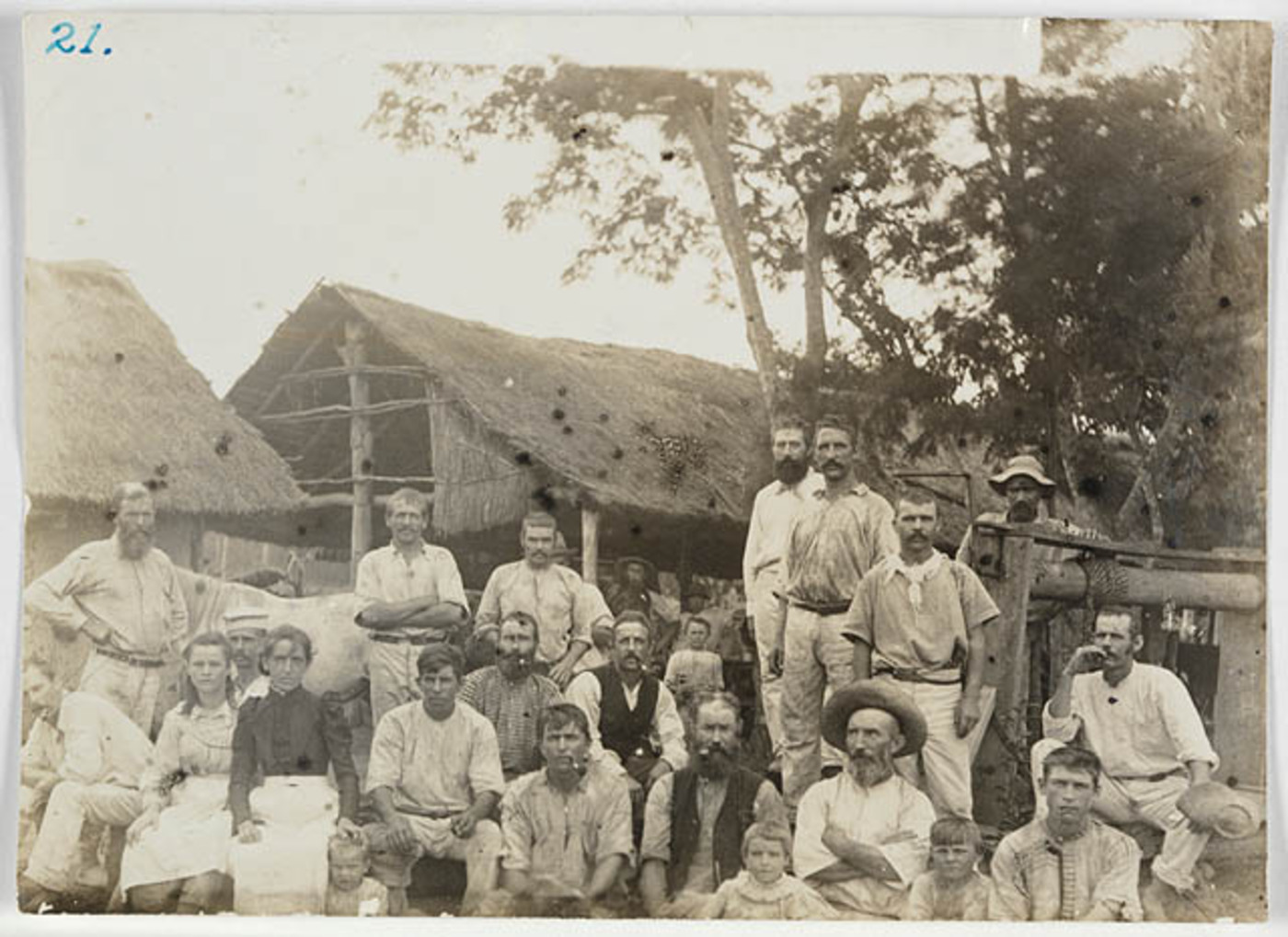
The ghost listened.
“Nobody is.”
A pause.
“But they tried.”
The ghost stood still.
After all this time...
Someone still remembered.
The ship waited at the edge of the mist.
The ghost turned back toward the city one final time. This was the Australia they had built. Not perfect. Not innocent.
But real.
https://x.com/RositaDaz48/status/2079905091776348343?s=20
A place made by millions of ordinary people who had woken each morning and done what needed to be done.
As he stepped aboard, his final thought drifted across the harbour:
A country is not built by perfect people.
It is built by ordinary people who wake each morning and try again.
The ship faded into the fog. The sun rose over Sydney Harbour.
And somewhere in Australia, an old story was told once more.
The dead were listening.
The living still needed to hear.

The boy looked at the ghost.
The ghost smiled.
The parents call:
"Come on!"
The boy hesitated.
Then asked quietly,
"Who are you?"
The ghost doesn't answer with a name.
He simply says,
"One of yours."
Then he turned and walked back into the mist.
BLOG COMMENTS POWERED BY DISQUS


